
Gazebo vs Pavilion: Key Differences, Costs and Which to Choose (2026)
Key Takeaways
Gazebos are typically smaller outdoor structures, often with decorative details, railings, or optional walls.
Pavilions generally provide larger, open-sided spaces for dining, gatherings, and community events.
Permanent gazebos and pavilions may require foundations, permits, and professional installation.
Roof design and material matter as much as the structure's size when comparing weather protection.
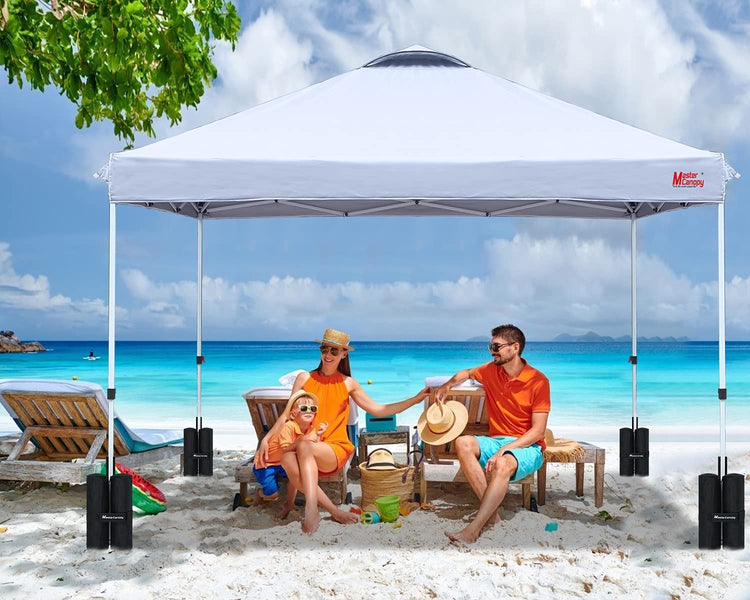
A portable pop-up gazebo offers a flexible alternative for renters, occasional events, and homeowners who want shade without a permanent project.
Choosing between a gazebo vs pavilion sounds simple until you start comparing designs, sizes, and installation requirements.
Both create useful outdoor spaces, but they serve different purposes. One may fit perfectly into a backyard garden, while the other works better for large family gatherings or commercial events.
There's also a third option many buying guides overlook: the portable gazebo.
Before investing in a permanent structure, here's what you should know about the differences, including roof materials, costs, and the most practical choice for your space.
1. What Is a Gazebo?
A gazebo is a roofed outdoor structure designed to create a defined area for relaxation, dining, or entertaining.
Traditional gazebos are often freestanding and feature decorative posts, railings, or partially enclosed sides. Many have hexagonal or octagonal shapes, although square and rectangular designs are increasingly common.
You might see a gazebo in a landscaped garden, beside a swimming pool, or in a residential backyard.
Depending on the design, it may include:
A solid or fabric roof
Open sides or removable curtains
Mosquito netting
Built-in seating or space for outdoor furniture
Decorative framing and trim
A gazebo doesn't always have to be permanently attached to the ground.
Some modern models use lighter metal frames and fabric coverings, while others feature foldable structures that can be moved or stored.
For homeowners looking for a comfortable garden retreat, MASTERCANOPY offers outdoor patio gazebos with options such as netting and removable side panels.
These designs can create a defined outdoor seating space without the same construction process as a custom-built wooden gazebo.
2. What Is a Pavilion?
A pavilion is a roofed structure, typically supported by columns or posts, that provides a large open area underneath.
Unlike many traditional gazebos, pavilions are generally designed around open access and flexible group use rather than a smaller, enclosed seating area.
You commonly find pavilions in:
Public parks
Community recreation areas
Campgrounds
Outdoor dining venues
Wedding locations
School and event grounds
A pavilion may have a rectangular, square, or other roof shape. Its sides are often open, allowing people to enter from multiple directions.
Many permanent pavilions use timber, steel, or engineered roof structures.
Because pavilions are frequently intended for larger groups, their design may involve substantial footings, foundations, and site planning.
However, the terms gazebo and pavilion are not strictly separated by shape or size. Some structures share features of both.
The most useful distinction is how the space will be used.
3. Gazebo vs Pavilion at a Glance
If you want a quick answer, the table below compares the features that matter most when making a buying decision.
|
Feature |
Gazebo |
Pavilion |
Portable Pop-Up Gazebo |
|
Typical purpose |
Relaxation and small gatherings |
Larger group activities |
Temporary backyard and event shade |
|
Size |
Usually compact to medium |
Often medium to large |
Varies by model |
|
Shape |
Often decorative or polygonal |
Commonly rectangular or square |
Usually square or rectangular |
|
Side coverage |
Optional curtains, railings, or screens |
Usually open-sided |
May include mesh or removable walls |
|
Roof |
Hardtop or fabric |
Usually a permanent roof |
Generally fabric |
|
Installation |
Assembly or construction |
Often substantial construction |
Designed for simpler setup |
|
Foundation |
Depends on structure |
Common for permanent builds |
Usually no permanent footing |
|
Portability |
Depends on model |
Usually not portable |
Designed to be movable |
|
Best for |
Backyard seating and garden spaces |
Groups, dining, and events |
Renters and flexible outdoor use |
The biggest difference between a pavilion and gazebo is usually the balance between enclosed comfort and open group space.
A gazebo often feels like a destination within a garden.
A pavilion feels more like a roofed outdoor gathering area.
A portable gazebo adds flexibility when permanent construction isn't necessary.

4. Size and Capacity: How Much Room Do You Need?
Size is one of the easiest ways to narrow down your decision.
Small Backyard Spaces
If you want a shaded area for a few chairs, a coffee table, or a relaxed conversation space, a compact gazebo may be sufficient.
For example, a 9x9 gazebo provides 81 square feet of ground coverage.
That may work well for a small seating arrangement, depending on furniture dimensions and access space.
Family Dining and Entertaining
A 10x12 structure provides 120 square feet of ground coverage.
This gives you more flexibility for a dining table or outdoor furniture, although usable room depends on post placement and the interior layout.
A gazebo in this size range can be practical for family dinners or backyard gatherings.
Larger Groups and Community Events
Pavilions become attractive when the space needs to accommodate several tables, larger groups, or multiple activity areas.
They can provide easier movement between seating and serving areas, particularly when the sides remain open.
What About Temporary Events?
If you only need additional outdoor space for a birthday party, neighborhood gathering, or occasional business event, permanent construction may be unnecessary.
A pop up canopy tent can provide temporary overhead coverage without committing your backyard to a permanent structure.
For frequent or large events, multiple properly spaced shelters may also offer layout flexibility.
Practical tip: Measure your furniture and walking paths before selecting a size. The roof footprint alone doesn't tell you how comfortable the space will feel.
5. Roof, Walls and Weather Protection
This is where the material becomes just as important as the structure itself.
A pavilion or gazebo can look attractive in a product photo, but its roof construction determines how it provides shade and handles water.
Hardtop Roofs
Permanent pavilions commonly use roofing materials such as metal, shingles, or other rigid systems.
Some gazebos also use hardtop construction.
A properly designed rigid roof can provide long-term coverage, but performance depends on drainage, structural design, and installation.
Fabric Roofs
Portable gazebos and some patio shelters use fabric coverings.
These are often lighter and easier to transport or replace.
However, fabric selection should be based on actual product specifications rather than appearance alone.
Understanding Vinyl, PVC and Polyester
Buyers sometimes assume that any waterproof-looking fabric is vinyl.
That's not necessarily true.
Vinyl commonly refers to PVC-based material. PVC can form a continuous protective layer or be applied as a coating over a textile base.
Some protective outdoor covers use PVC-coated polyester because the textile provides reinforcement while the coating helps resist water penetration.
Other canopy tops use polyester with polyurethane, or PU, coatings.
Both constructions may be useful for outdoor protection, but they are not identical.
When comparing canopy materials, consider:
The textile and coating construction
Water-resistance specifications
Seam protection
Fabric weight and flexibility
Cleaning and storage requirements
Compatibility with the supporting frame
A thicker covering does not automatically make the entire shelter more weather-resistant.
Similarly, a waterproof fabric does not mean a portable gazebo can safely remain outdoors during severe storms.

What About Walls and Mosquito Netting?
Walls change how the space feels.
A gazebo with mesh panels may offer a more comfortable place to relax when insects are a concern.
Solid curtains can provide privacy or additional side coverage.
But adding walls also increases the surface area exposed to wind.
A portable structure must be secured according to its manufacturer's instructions.
Material takeaway: Vinyl is worth understanding when comparing outdoor roof coverings, but the complete gazebo or pavilion design determines how the structure performs.
For maintenance or upgrades, explore compatible gazebo accessories such as replacement covers and other useful components before replacing the entire shelter.
6. Cost, Permits and Installation
The cost difference between a gazebo and pavilion depends on much more than the size.
You also need to consider the foundation, materials, labor, and how permanent the installation will be.
Gazebo Costs
A smaller ready-to-assemble gazebo generally involves fewer materials and less site work than a large custom pavilion.
However, a permanent hardtop gazebo with a reinforced foundation can still represent a substantial investment.
Pavilion Costs
Permanent pavilions often require larger roof spans, engineered supports, and more extensive site preparation.
A custom pavilion may also involve professional contractors, foundation work, roofing, and electrical installation.
These requirements can make a pavilion more expensive than a smaller prefabricated gazebo.
What About Permits?
Permit requirements vary by location.
Local rules may consider the structure's size, height, foundation, electrical connections, property setbacks, and intended use.
Some small temporary structures may qualify for exemptions, but a portable design does not automatically eliminate permit or event-approval requirements.
If you're installing a permanent pavilion or gazebo, check with your local building department and any applicable homeowners association before construction.
The Portable Alternative
A portable gazebo typically avoids the excavation and permanent footings associated with many fixed structures.
That can reduce installation complexity.
For renters, temporary event organizers, or homeowners who don't want to alter their property, a portable pop up gazebo may offer the most practical balance of convenience and coverage.
7. Permanent vs Portable Options: Which Makes More Sense?
Think of this decision as choosing between an outdoor room and a flexible outdoor tool.
Choose a Permanent Structure When:
You want a dedicated outdoor living area year-round.
The structure is part of a long-term landscaping plan.
You need a large roofed dining or entertainment space.
Your budget includes foundations and construction.
You have confirmed the applicable building requirements.
Permanent gazebos and pavilions can become architectural features of the property.
Their long-term value depends on construction quality, maintenance, and suitability for the local climate.
Choose a Portable Structure When:
You rent your home.
You host outdoor gatherings only occasionally.
You want to move the shelter between locations.
You need space for temporary markets or events.
You prefer equipment that can be packed away.
Portable shelters are designed around flexibility.
However, they are not substitutes for engineered permanent buildings and should be taken down when weather conditions exceed their safe operating limits.
For homeowners exploring a movable option, a garden gazebo with netting can offer seasonal comfort and insect screening without creating a permanent backyard building project.

8. Which One Fits Your Backyard, Event or Business?
The best option depends on how you actually plan to use the space.
For a Quiet Garden Retreat
Choose a gazebo if you want a defined seating area that becomes part of your backyard design.
Curtains or mosquito netting may make it more comfortable for evening use.
For Large Family Gatherings
Consider a pavilion if you need a permanent open-sided structure with space for several tables.
Its larger layout can make group movement and serving easier.
For Renters or Occasional Parties
A pop-up gazebo is often the more practical choice.
You can create a temporary shaded area and remove it afterward, subject to local rules and safe setup requirements.
For Farmers Markets and Small Businesses
A traditional permanent pavilion is rarely the right purchase for a vendor who attends different locations.
A portable canopy is more flexible because it can be transported, opened, and packed between events.
For businesses that want to stand out, a custom canopy tent with logo can provide overhead coverage while adding a recognizable branded display.
Printed tops, sidewalls, and coordinated accessories can help customers identify your booth from a distance.
For Outdoor Venues and Community Spaces
Consider how frequently the area will be used.
A permanent pavilion may make sense for regularly scheduled group activities in a fixed location.
Temporary shelters can be useful for occasional overflow space, registration stations, and seasonal events.
9. Frequently Asked Questions
Is a gazebo considered a pavilion?
A gazebo can be considered a type of outdoor pavilion in a broad architectural sense, but the terms usually describe different designs. Gazebos often feature smaller, more defined seating spaces, sometimes with decorative sides. Pavilions generally emphasize larger open areas. Exact terminology can vary by manufacturer and region.
What is a pavilion without a roof called?
A pavilion normally includes a roof, so removing it changes the type of structure. Depending on the design, an open framework may be called a pergola or garden structure. A pergola usually has an open or slatted overhead framework rather than the continuous roof commonly associated with a pavilion.
What is better, a gazebo or a pergola?
A gazebo is generally better when you want continuous overhead coverage and a more enclosed outdoor retreat. A pergola is often better for creating an open architectural feature with partial or adjustable shade. Rain protection depends on the exact roof design. Your preferred appearance, budget, and intended use should guide the choice.
What is better than a gazebo?
There isn't one universally better alternative. A pavilion may work better for large permanent gathering spaces, while a pergola may suit an open patio design. If you need temporary shade, easy relocation, or fewer construction commitments, a portable gazebo or pop-up canopy may be more practical.
Do you need a permit for a gazebo or pavilion?
Possibly. Permit requirements depend on local building codes, structure size, height, foundation, location, and intended use. Permanent pavilions and large gazebos often require more review than small temporary shelters. Always check with your local authority before installation, because even portable structures can be subject to restrictions.
Conclusion: Choose the Structure That Fits Your Life
The gazebo vs pavilion decision comes down to space, permanence, and how you plan to use your outdoor area.
Choose a gazebo for a more defined backyard retreat.
Choose a pavilion for larger, permanent gatherings.
Choose a portable gazebo or canopy when flexibility and simpler setup matter most.
Before buying, compare roof materials, frame design, weather limitations, installation requirements, and the real space available.
If a movable option fits your needs, explore the MASTERCANOPY gazebo and pop-up canopy collections to find a shelter designed for your next backyard gathering or outdoor event.